When Your Local Machine Isn’t Enough: A Practical Guide to Blender Render Farms

If you’ve spent hours watching Blender’s progress bar crawl across your screen while rendering a complex scene, you already know the frustration. A single frame can take anywhere from a few minutes to several hours depending on complexity, and a full animation? That’s where many projects stall or compromise on quality. This is where a Blender render farm becomes not just helpful, but necessary.
What a Blender Render Farm Actually Does
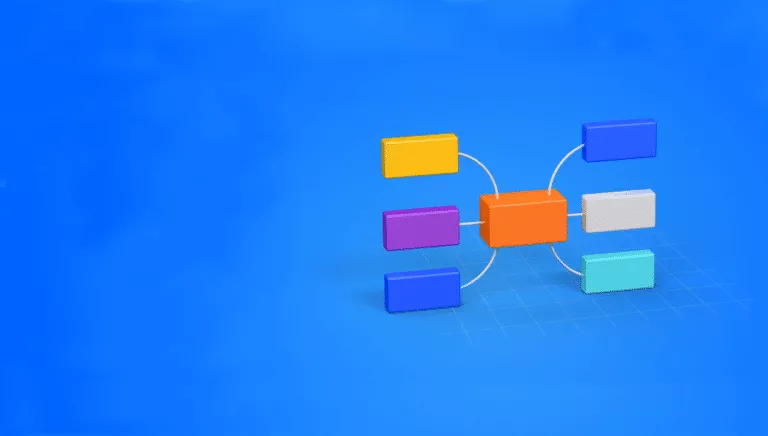
A Blender render farm is, in simple terms, a pool of machines working on your job at the same time. Instead of one computer moving through your animation frame by frame, the workload is split into many independent tasks. Multiple frames render in parallel, so a sequence that might tie up your workstation for a couple of days can often finish within a single afternoon when processed across dozens of nodes.
Render farms generally fall into two groups.
Community-based setups rely on shared power from volunteers or hobbyists. These can be fine when timing doesn’t matter, but you never really know how long the queue will be or whether the job will run without interruptions.
Commercial render farms, on the other hand, provide their own dedicated infrastructure, stable access to hardware, and technical help. That’s why they’re used for professional work where deadlines and predictability matter.
The Hidden Costs of Local Rendering
A lot of artists assume that rendering locally is the “free” option, but it rarely works out that way. Heavy scenes push power usage up, and long high-temperature sessions age your hardware much faster than normal use. While your PC is locked into rendering, you also lose the ability to work efficiently on anything else.
Then there’s the time factor. Client deadlines don’t accommodate slow renders. Missing a delivery date because you underestimated render time can damage relationships and reputation. A Blender render farm provides predictable timelines, which matters more than raw speed in many professional contexts.
What to Look for in a Render Farm Service
Not all render farms are created equal, and the cheapest option often isn’t the most economical when you factor in failed renders, support delays, and compatibility issues.
Software Compatibility
Blender updates frequently, and render farms need to keep pace. Check whether the service supports your specific Blender version and render engine—whether that’s Cycles, Eevee, or third-party engines like LuxCore or V-Ray. Plugin support matters too. If you’re using Flip Fluids, Geometry Nodes with baked caches, or other add-ons, confirm the farm can handle them before committing.
Integration and Workflow
The best render farms offer plugins that integrate directly with Blender’s interface. Manual uploads via web browsers work, but they add friction and increase the chance of errors. Look for services that can validate your scene before submission, flag missing assets, and handle file versioning automatically.
Support Quality
Technical issues happen. When a render fails at 3 AM before a morning deadline, you need actual human support, not a ticket system that responds in 24–48 hours. Evaluate support availability and responsiveness before you need it.
Pricing Transparency
Render farm pricing can be confusing. Some charge by core-hour, others by GHz-hour, and the priority levels that affect speed also affect cost. Run test renders to understand what your specific projects will actually cost before committing to large jobs.
GarageFarm: A Closer Look
Among the commercial options, GarageFarm has built a solid reputation in the Blender community. They offer a native Blender plugin that submits jobs directly from the interface, support for both CPU and GPU rendering, and 24/7 live chat support with actual technical staff.
A notable advantage for Blender users specifically: GarageFarm provides a 33% discount on renders using Blender’s built-in engines (Cycles and Eevee). They also maintain compatibility with recent Blender versions and can accommodate custom builds on request.
The service isn’t without a learning curve. First-time users will need to spend time understanding the interface, setting proper output paths, and configuring cache files for simulations. But the documentation is comprehensive, and support is genuinely helpful for troubleshooting setup issues.
Preparing Your Project for Farm Rendering

Regardless of which Blender render farm you choose, proper preparation prevents failed renders and wasted money.
First, ensure all assets are properly linked. External textures, HDRIs, and reference files need accessible paths—preferably relative paths rather than absolute ones pointing to your local C: drive.
Second, bake your simulations. Physics, cloth, fluid, and particle caches need to be generated and saved before upload. Render farms don’t re-simulate; they render cached data.
Third, always run test renders. Submit a small batch of frames—maybe every 20th frame across your sequence—to verify everything renders correctly before committing to the full job. This costs little and can save significant money and time.
Making the Decision
A Blender render farm makes sense when the time or hardware investment required for local rendering exceeds what you’d spend on the service. For occasional hobbyist renders, local processing or free community farms may suffice. For professional work with deadlines, the reliability and speed of a commercial render farm typically pay for themselves.
The math is straightforward: calculate what your time is worth, factor in hardware costs and electricity, and compare against render farm pricing for your typical projects. For many artists and studios, the answer becomes obvious once you run the numbers.
Cloud rendering has matured significantly. Services like GarageFarm have streamlined what used to be a complex, error-prone process into something accessible to individual artists. Whether you’re an indie animator working on a passion project or a studio facing a tight deadline, a render farm removes one of the most significant bottlenecks in 3D production.