Nothing Phone (4a) and Phone (4a) Pro Compared: Key Differences Explained

Nothing has announced two new mid-range smartphones, the Nothing Phone (4a) and the Nothing Phone (4a) Pro. The latest devices continue to follow the company’s design language, and the brand continues to shine in the competitive smartphone industry. Although the Pro version is similar to Phone (4a), it offers the following premium features: performance, design, and display. Below is a detailed comparison of the two versions in terms of design, display, camera, performance, and battery.
Price and Availability
The prices of the Nothing Phone (4a) and the Nothing Phone (4a) Pro indicate the level of difference between the two devices in terms of features and upgrades. The standard Nothing Phone (4a) starts at ₹31,999 for the 8GB RAM and 128GB internal storage variant. The device also offers the option to purchase the upgraded 8GB + 256GB and 12GB + 256GB variants.
The Nothing Phone (4a) Pro starts at ₹39,999 and offers the same internal memory options with some premium upgrades. The devices are set to go on sale starting March 13, 2026.
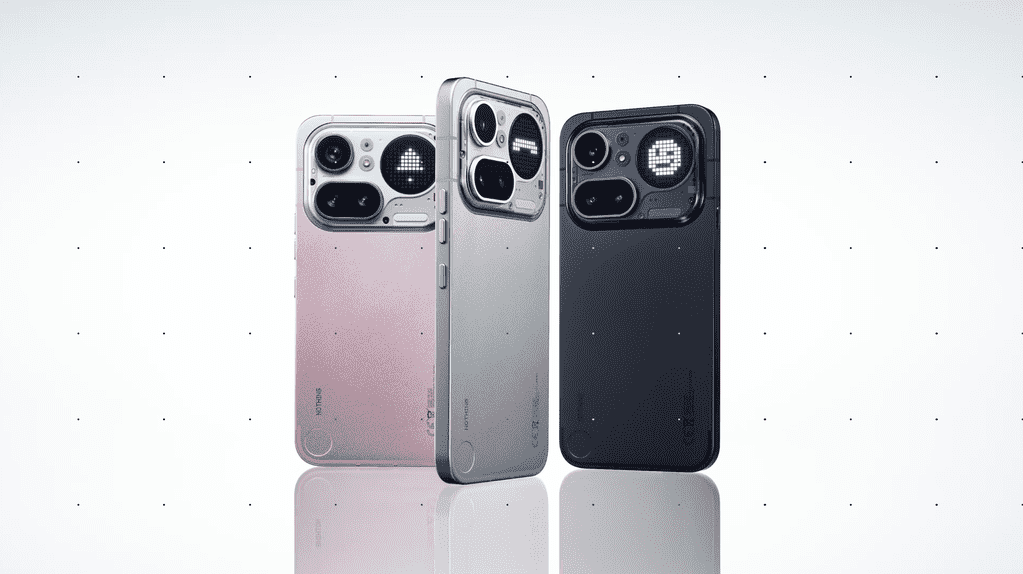
In terms of colours, the Phone (4a) will be available in black, white, blue, and pink, while the Pro model will come in black, silver, and pink.
Design & Display

Nothing continues to focus on its unique design language with both models. The devices feature the brand’s signature transparent back design, which highlights internal elements and gives the phones a distinctive appearance.
In the build department, the Nothing Phone (4a) Pro leads the way with its aluminum unibody design, giving it a premium, robust look and feel. The Nothing Phone (4a), meanwhile, retains its transparent layered back panel so you can see the screws, compartments, and internal metalwork.
When it comes to the display, there are a couple of differences between the two devices. The Nothing Phone (4a) has a 6.78 inches AMOLED screen with 1.5K resolution and a 120Hz refresh rate.
The Nothing Phone (4a) Pro has a slightly larger 6.83-inch AMOLED screen. It also has a higher peak brightness of up to 5,000 nits, compared to the 4,500 nits of the Nothing Phone (4a).
Cameras

The Nothing Phone (4a) and Phone (4a) Pro have a decent camera setup that will surely satisfy photography enthusiasts. Both phones feature a 50MP primary camera with optical stabilization to keep your snaps locked in perfectly.
The Phone (4a) Pro takes it up a notch with its camera, which uses a Sony LYT700C 50MP sensor, along with a 50MP telephoto lens with 3.5x optical zoom and 140x digital zoom. The regular Phone (4a) also comes with telephoto capabilities, but it tops out at 70x digital zoom. Both phones also feature ultra-wide cameras and 32MP front-facing cameras for selfies and video calls.
Processor & Battery

Both Nothing phones get a midrange processor, but a slightly different one. The standard 4a houses the Snapdragon 7s Gen 4 processor, while the bigger brother gets the Snapdragon 7 Gen 4 for faster performance, thanks to higher clock speeds. After a bit of controversy last time, the brand has bundled UFS 3.1 storage.
Both phones have the same battery size: 5,400mAh, a slight increase over the previous generation. Both phones also feature 50W fast charging, which will help reduce charging time when you have access to a compatible charger. However, you should be able to enjoy all-day battery life with regular use, partly due to the battery size and partly to the hardware itself.
Which One Should You Choose?
If you are trying to decide between the two devices, the Nothing Phone (4a) offers great value for money. It delivers most of the key features, including the signature design, capable cameras, and smooth performance, while keeping the price relatively low.
The Phone (4a) Pro, on the other hand, targets users who want extra upgrades. With its premium metal build, improved performance, narrower bezels, and the advanced Glyph Matrix interface, it provides a more polished smartphone experience. Your final choice will largely depend on how much you are willing to spend.