
HP Study Finds Many Indian SMBs Still Ignore Printer Security Risks

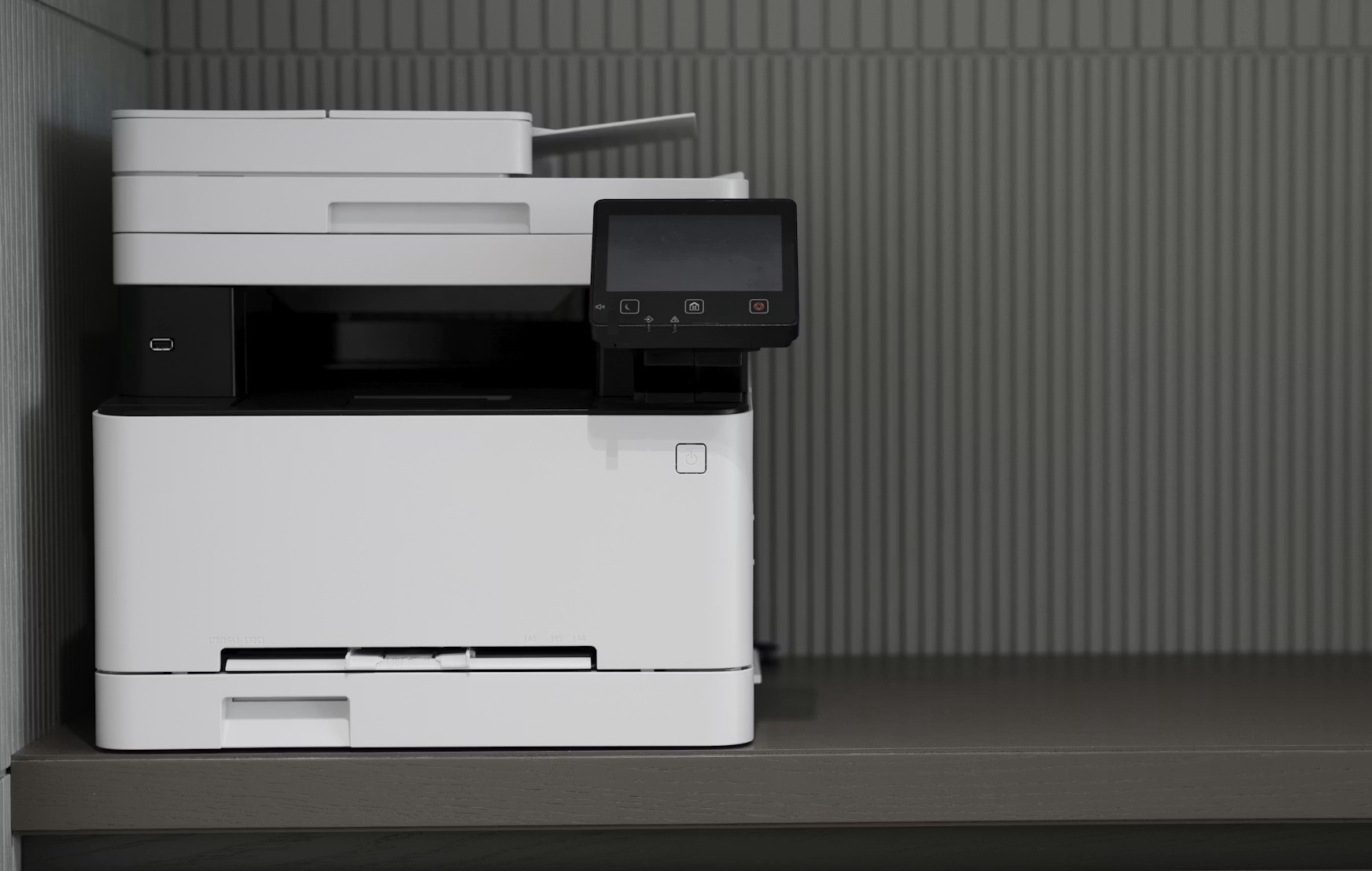
Cybersecurity in 2026 is one of the most pressing issues since everything we interact with is connected to the internet. HP has just released a new report titled The Workflow Wakeup, highlighting how everyday workplace technologies, including printers, can impact cybersecurity in modern organizations. According to the study, 51% of SMBs consider print security a low priority, even as businesses increasingly adopt digital tools and hybrid work environments.
Print Security Still a Blind Spot
The research was based on responses from 200 IT decision-makers and 600 knowledge workers across Indian SMBs with 50 to 1,000 employees.
One of the most notable findings is that employees often underestimate the risks associated with printers connected to office networks. Around 75% of knowledge workers assume network printers are secure, while 48% do not consider printers to be a cybersecurity threat.
At the same time, concerns about document privacy remain significant. Nearly 49% of workers worry about confidential documents being printed and accessed by the wrong person. The study outlines several key risks organizations worry about when it comes to printing infrastructure:
- Cybersecurity threats linked to connected printers
- Employees mishandling or misprinting sensitive documents
- Managing security across multiple printers in an organization
- Unauthorized access to print queues or files
- Security risks tied to cloud-based scanning workflows
Smart Printing Technology Could Help

While the report highlights several challenges, HP also suggests that adopting smarter print management systems can improve security.
Among SMBs that have implemented smart printing technology, 88% reported improved security outcomes. Businesses cited three main benefits:
- Better visibility into printing and scanning activity (90%)
- Improved compliance with security standards (85%)
- Stronger enforcement of printing rules and restrictions (83%)