vivo X300 Pro Review: Brings Out the Photographer In you

It’s not often, as a tech reviewer, that you receive a new phone and fall in love with it. This happened to me last year, when I tested the X200 Pro for a month, and it blew my mind away. Never did I think smartphone cameras could get this good, but with that phone, I unlocked a photographer side of me that I didn’t know I had. It’s cameras that made me go, “oh, I can capture this, too,” and ever since vivo asked for the review unit back, I’ve been chasing that feeling. Competition this year has stiffened up, with OPPO’s X9 series carrying decent improvements in the camera department. So, that made me wonder, can vivo defend its title of the camera king with the X300 Pro?
To answer that very question, I got the vivo X300 Pro in for a review and swapped my primary SIM. I then used the phone extensively for two weeks, during which I took countless trips to nearby heritage sites I had never visited, played hours of games, mindlessly scrolled through reels, and a lot more. The result? vivo has done it again with a phone that hits all the basics, all while being the best camera system in any phone.
vivo X300 Pro Review
Summary
The vivo X300 Pro is the most complete phone. For the price, you get a mature design, a display that’s on par, if not better, than other flagships, a competent flagship processor that’ll serve for years to come, and a fantastic camera system. While it may seem a bit of a stretch, the vivo X300 Pro has the best cameras out of any smartphone.
Design & Hardware

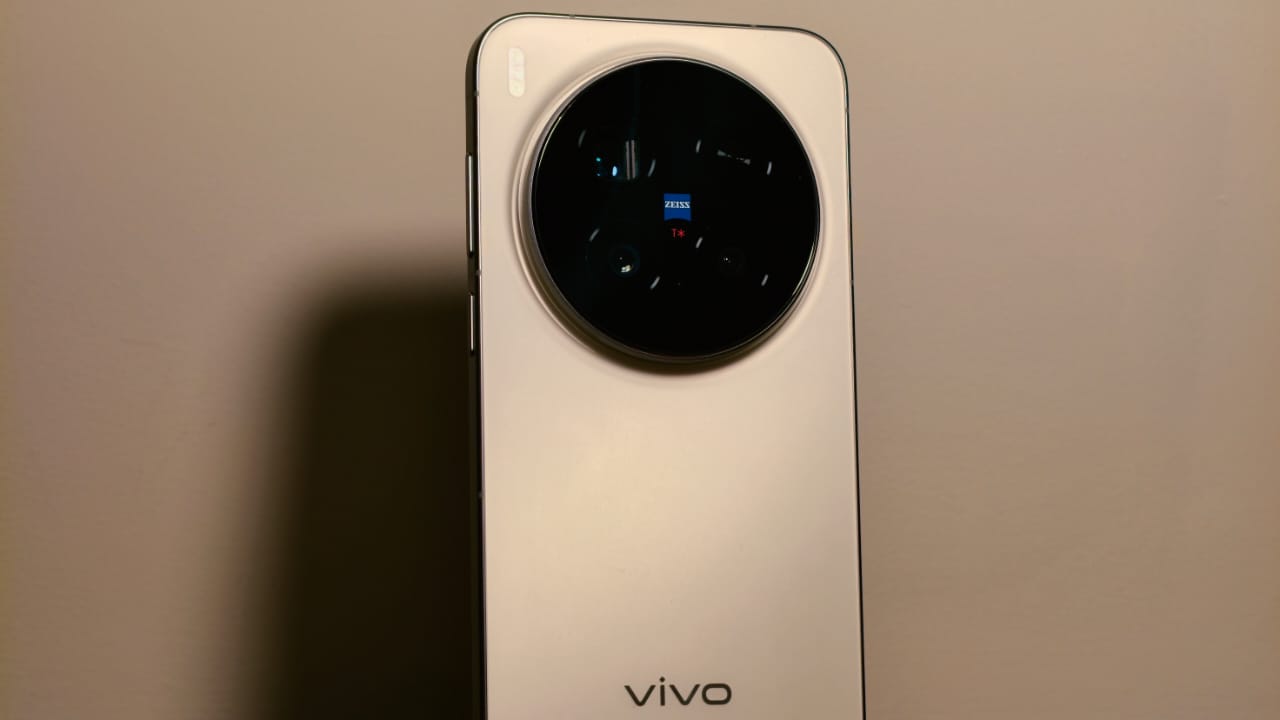
vivo has made some handsome-looking smartphones, as the new V60 shows, and I can say the same about the X300 Pro. The company has stuck to its original X-series design, and I’m a fan. You essentially get a massive camera bump on the back, but that look is now what people expect from the X series. During my testing, many of my tech-savvy friends just knew what I was using. This creates a brand identity, which is a great thing when you’re trying to compete with the likes of Samsung and Apple. People need to know a brand to buy it, and OPPO could take a lesson or two from these guys.
On the topic of the camera module, it has lost its ring that hid the massive bump. Instead, the X300 Pro’s back glass now curves into the module, with a smaller concentric ring that facilitates the lens mount for the photography kit. Thankfully, the module is centered, so the phone doesn’t wobble on the table, and as a bonus of the enormous size, your phone sits at the perfect angle on the table. Just note that since the island is what the phone rests on, it can pick up scratches. The good news is that vivo has bundled a case in the box.

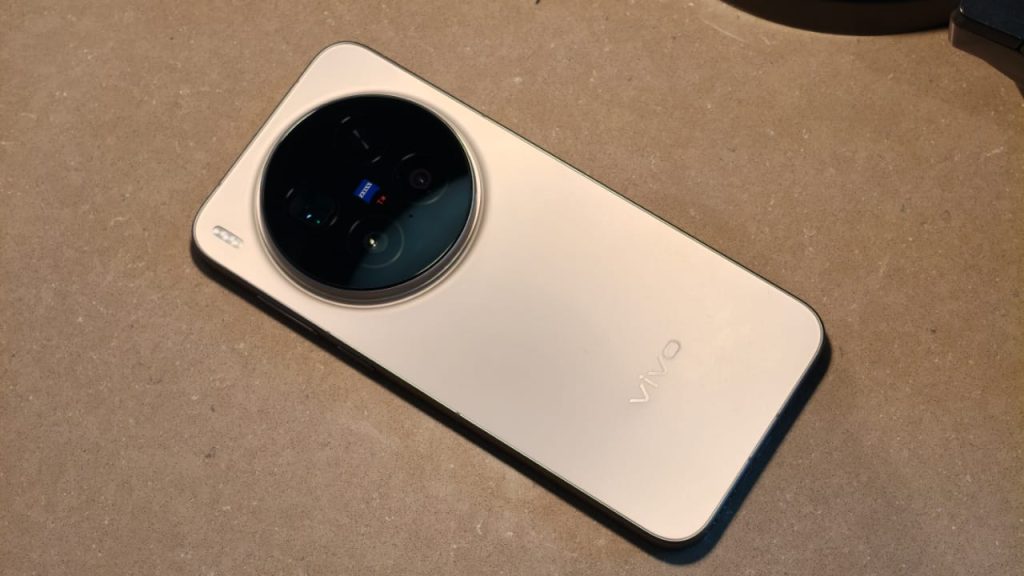

The bump is also a really lovely place to rest your finger, which will get tired. I was using the regular Find X9 before, and the X300 Pro’s 228 g weight was quite noticeable. It’s a two-handed phone by all means. Though if you have bigger hands, the experience should be pretty fine. I also got used to the weight quickly. vivo has done a pretty decent job of balancing the weight, with the center of gravity being just below the camera bump.
Moving over to aesthetics, there’s a new Dune color that almost looks like beige. Photos don’t do it much justice, but I really like what vivo has done with the finish, which is matte but also shiny at the same time. The phone looks super sophisticated and doesn’t slide off a slanted surface when you set it down, which is a huge plus. The sides are pretty much unchanged; you still get the SIM tray at the bottom, coupled with the charging port and speakers. As for buttons, vivo has added a new iPhone-inspired action key that can be customized for double-tap and long-press actions.

The ultrasonic fingerprint scanner stays in its comfy place where your thumb naturally rests, and it works really well. Keeping up with the trend, the X300 Pro supports all IP rating variations, including IP68 and IP69. These ratings were put to the test pretty quickly when I dropped a protein shake on the phone and had to wash it. The phone survived, but I’ll still recommend people avoid taking their phones underwater, as water damage is never covered under warranty.
Display

Displays on all flagships today are pretty similar, and the same goes for the X300 Pro. It features a 6.78-inch AMOLED display with a 2800 × 1260 resolution and a 120Hz refresh rate. This time, vivo has gone for even thinner bezels, which bumps the screen-to-body ratio to 94.85%. Keeping the numbers aside, the panel is exceptionally pretty to use in both daytime and lowlight scenarios. Colors pop, and the HDR performance makes movie watching, especially the new Pluribus episodes, a breeze.
vivo claims a peak brightness of 4500 nits, and while I didn’t test it with a light meter, the panel was easy to see while scrolling through reels in direct sunlight. There’s also PWM Dimming that helps the display get down to 1 nit. It’s great news for all my midnight doomscrollers, who will hurt their eyes a bit less than before. Beyond that, there’s a new eye fatigue feature that automatically adjusts the brightness depending on your screen time. As for protection, the panel is covered with a new Schott Sensation glass, and it performed well in my testing. Sure, there were some microscratches, but that’ll happen with every smartphone, and the X300 Pro also handled drops onto hard surfaces.
Software & Performance

Under the hood, the vivo X300 Pro is powered by MediaTek’s flagship Dimensity 9500 processor that includes a total of eight cores, out of which there is one C1-Ultra core running at 4210 MHz, three C1-Premium cores running at 3600 MHz, and four C1-Pro cores running at 2700 MHz, along with Mali-G1 Ultra MP12 GPU. Along with it, you get up to 16GB of LPDDR5X RAM and 512GB UFS 4.1 storage.
With these monster specs in mind, the day-to-day performance of the X300 Pro is exceptional. Apps open quickly, there is no stutter in between, and the RAM helps keep everything in memory. The bigger question, when I received the device, was OriginOS. If you’ve read my previous reviews, you know I haven’t been the biggest FunTouchOS fan, with criticisms ranging from a bloated UI to jittery animations and a lack of new styling. Fortunately, vivo has heard all our complaints, and the new OriginOS skin is much better. There are new animations that feel smooth, a whole host of new customization options for the lock screen (inspired by iOS), and a fresh layer of translucent design on almost all aspects.

As you may have guessed, AI takes the center stage in terms of features, and the best ones are in the Photos app. Apart from the obvious ones, like the object eraser, the newest addition is the move feature, which lets you change the position of a subject in a photo to your liking. This is the dream for people like me who love to tinker with images. It works really well in practice. Then there is the Imag Expander that can help you expand a shot using generative AI. The camera app has also received a fresh AI coat, though I’ll talk more about it later.
Unfortunately, it’s not all sunshine and rainbows. While vivo has done an excellent job, its UI doesn’t have the refinement of ColorOS. For starters, when I get notifications for new messages, the newest one is at the top, with older ones below. It’s caused me a lot more headaches than I wish it had. Then, to expand a notification, I have to click that tiny arrow button, which is easy to miss, and just opens the chatbox instead. The back gesture is enabled in the keyboard area, so when deleting a long message, I accidentally activate the back gesture. Sure, these problems are not that big, but it’s the small things that can make or break the experience. Finally, vivo has promised a full 5 years of software updates and 7 years of security patches, which is pretty decent.
Benchmarks & Gaming

Keeping my rant for the UI aside, I also ran a series of benchmarks to push the Dimensity 9500’s limits. The results? Actually quite impressive. In Geekbench’s single-core and multi-core tests, X300 Pro scored 2,857 and 7451, respectively. In AnTuTu, the cumulative score for both the GPU and CPU was a staggering 3,382,529 points. For some context, the OPPO Find X9, which features the same chipset, scored 3,316,065 points.
Moving to gaming, I had absolutely no complaints playing long sessions of BGMI with my friends over the weekend. Graphics settings in BGMI were set to Smooth and Ultra Extreme for the 120FPS gameplay. Over a couple of hours, the phone neither got too hot to touch nor dropped frames in complex situations. There are also plenty of gaming features, including bypass charging, 4D haptics, and different performance modes.
Battery Life
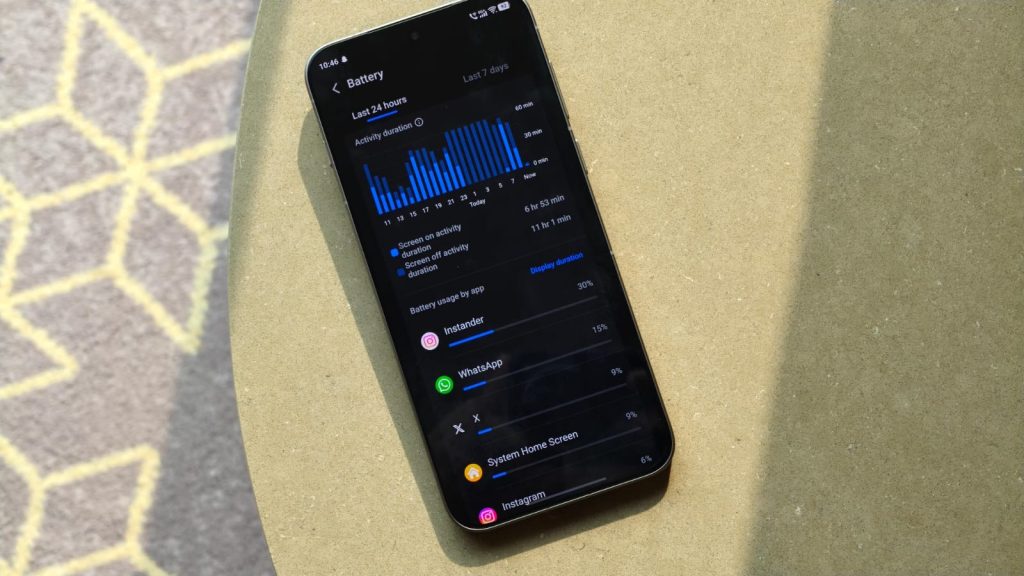
vivo introduced silicon-carbon technology with the X200 series last year, and it was phenomenal. The phone easily lasted a full day of heavy usage, and I can gladly say the same for the X300 Pro. The phone houses vivo’s 4th-gen battery tech, and with a capacity of 6,510mAh, it’s an easy two-day phone. For context, on days when I roamed around the city to capture samples and then finished with a two-hour BGMI (PUBG) session, I ended up with 20% charge. On other lighter days, the X300 Pro finished with 35% to 45% battery remaining. Just note that some European variants, particularly in Austria, Germany, and Hungary, use a smaller 5,440 mAh cell.
Beyond that, charging is another strong point for the X300 Pro, as it comes with a 90W FlashCharge brick in the box (only in Asian markets), capable of taking the phone from 20% to 80% in under 30 minutes. There’s also 50W USB PD and 40W wireless charging support.
Cameras
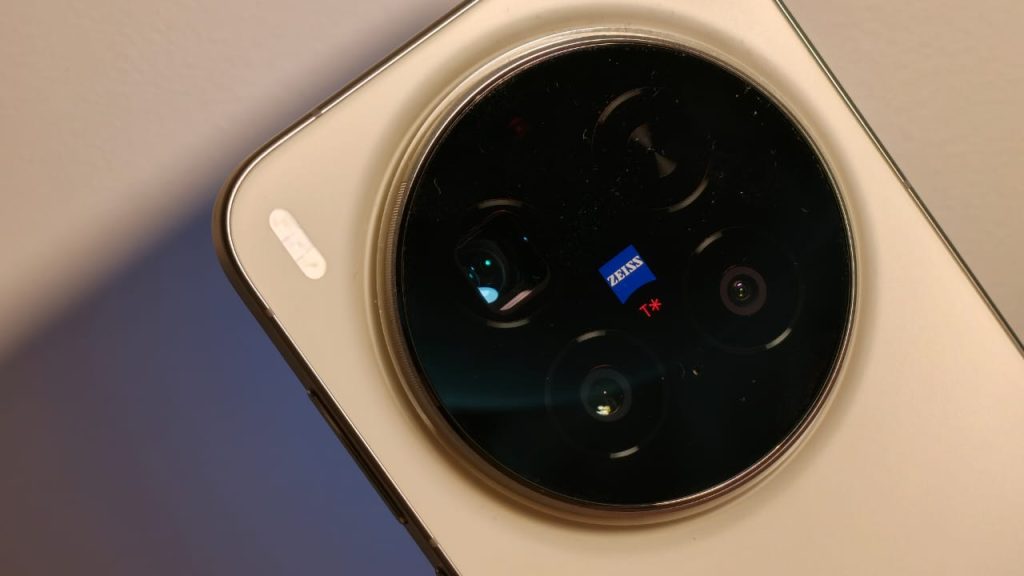
Let’s talk about what most came here for: the cameras. Under the massive camera module, the vivo X300 Pro houses a triple camera setup, consisting of a 50 MP Sony LYT-828 primary sensor, an eye-watering 200 MP custom 3.5x Samsung HPB sensor, and another 50 MP 119-degree Samsung JNI UltraWide sensor. You can also buy an optional telephoto extender kit that extends the 85mm lens to 200mm. Though I should point out that all my testing was done without the extender lens.
Keeping the optic specs aside, I really don’t have many words to express how excellent the cameras on the X300 Pro are. The photos it captures are crisp, lavishly detailed, with ample HDR and really aesthetic colors that please everyone. The best way to describe the cameras on the X300 Pro is that it brings out the photographer in you. I’ve never had this many “oh, I should capture this” moments with a phone, and every time, I was amazed by the results. Zeiss’s color science lends itself beautifully to the capturing experience, making you want to experiment with different looks and styles.



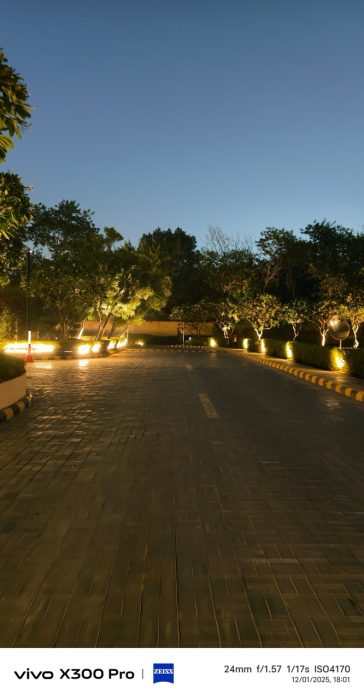
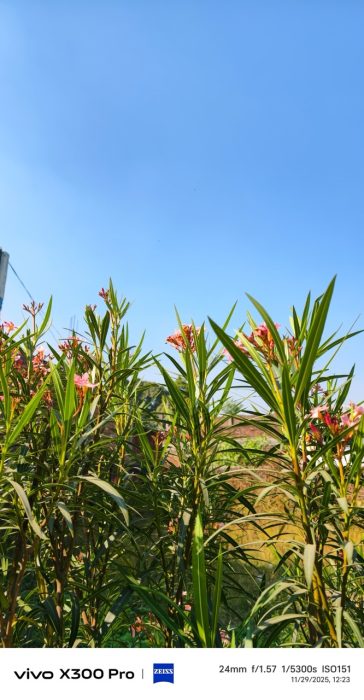







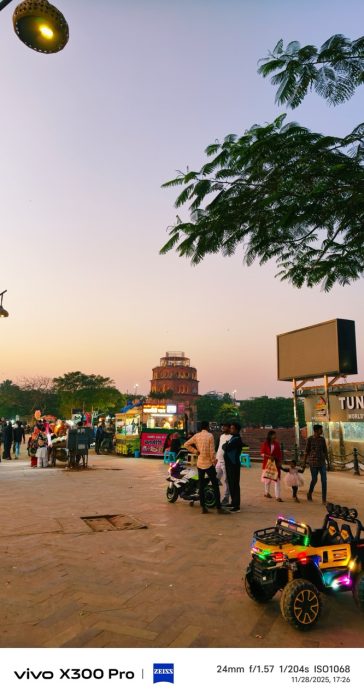









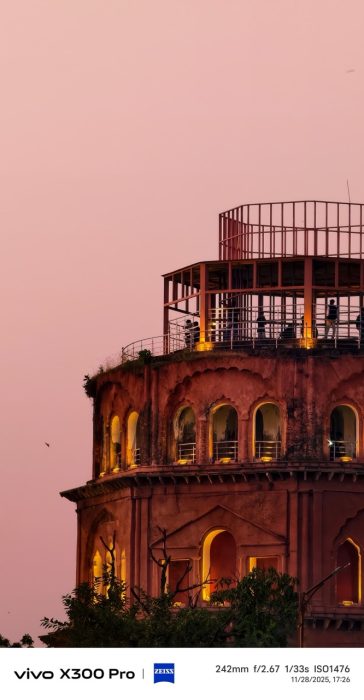
If you love capturing portraits, it doesn’t get any better than the X300 Pro. The 200 MP sensor delivers a lot of natural depth, which, coupled with vivo’s superb color and edge detection, creates a cinematic look that I’ve only come to expect from professional-grade cameras. On the topic of zoom, it’s perfect. The lens captures super-crisp, clear photos up to 30x, and even 50x in good lighting, keeping the subject in focus all the time. The UltraWide, while the same as last year, has also received a fresh coat of tuning, which helps it handle edges better and maintain consistency with the other lenses.
The good news continues with the low-light photos, where the X300 Pro comes alive. It one-ups any phone I’ve used this year, with a distinct look that makes you want to post every photo thanks to the insane levels of detail and accurate colors. Another thing to note is that the low-light experience stays consistent with the other two lenses. Video is another area where vivo has made significant improvements. Both the primary and telephoto sensors produce beautiful videos up to 4K120FPS, with accurate skin tones, balanced HDR, and minimal noise even in low-light conditions. Portrait video, which tops at 4K60FPS, is decent enough, though you do need ample lighting for it to work well.




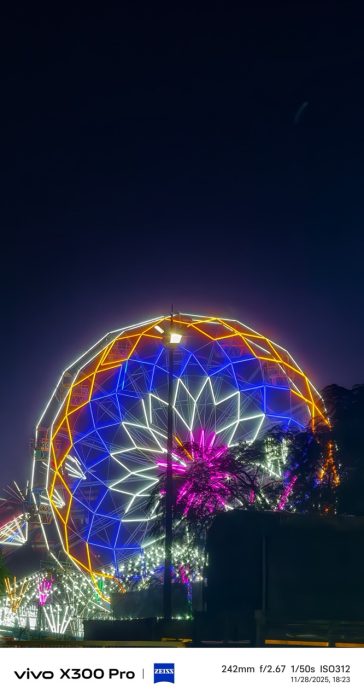









As I mentioned in the software section, the camera app has a new AI mode in the Landscape and Night section, which blew me away to the point where I questioned what even a photo is. For context, the mode lets you choose whether to remove people from the image, which is fairly common. But it can also simulate various seasons and times of day, changing the overall look of an image. Beyond that, the feature lets users configure different regions, such as snowy, desert, and island, and can directly convert the image to a preferred animation style. We do need to remember that these images are processed in vivo data centers, not on the device.


Verdict
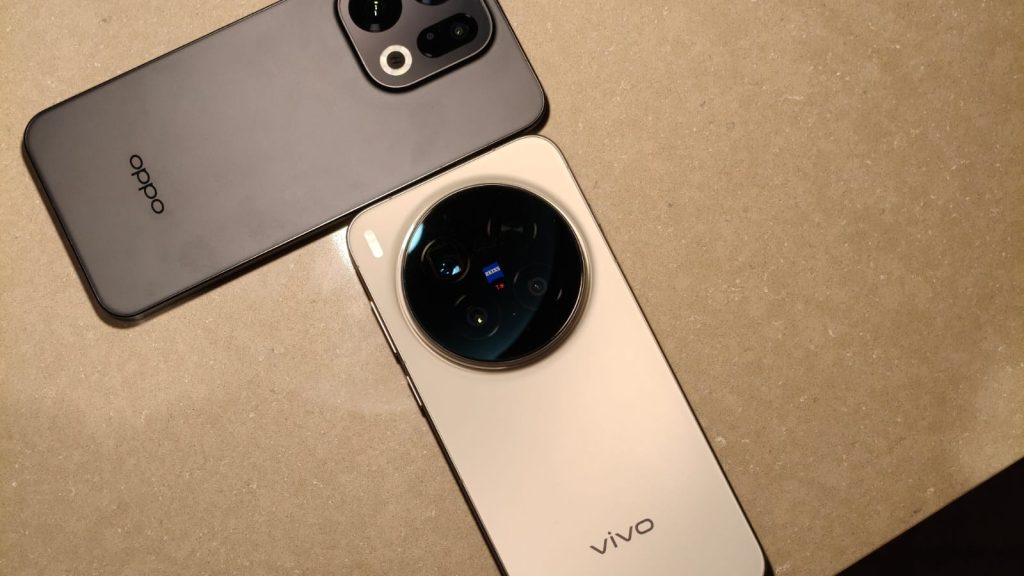
The vivo X300 Pro, like other smartphones launched this year, has received a price bump due to the soaring memory chip prices and AI demand. Still, even at INR 1,09,999 or EUR 1,049, it’s the most complete phone not only for this year but also for 2026. All thanks to the mature design, a display that’s on par, if not better, than other flagships, a competent flagship processor that’ll serve for years to come, and a fantastic camera system. While it may seem a bit of a stretch, the vivo X300 Pro has the best cameras out of any smartphone. Google and Apple aren’t even close to the sheer flexibility the X300 Pro offers. If you like this versatility, there is nothing better out there, and with the new OriginOS skin being a pretty major upgrade, the X300 Pro is hard to ignore, even for iPhone or Samsung buyers.